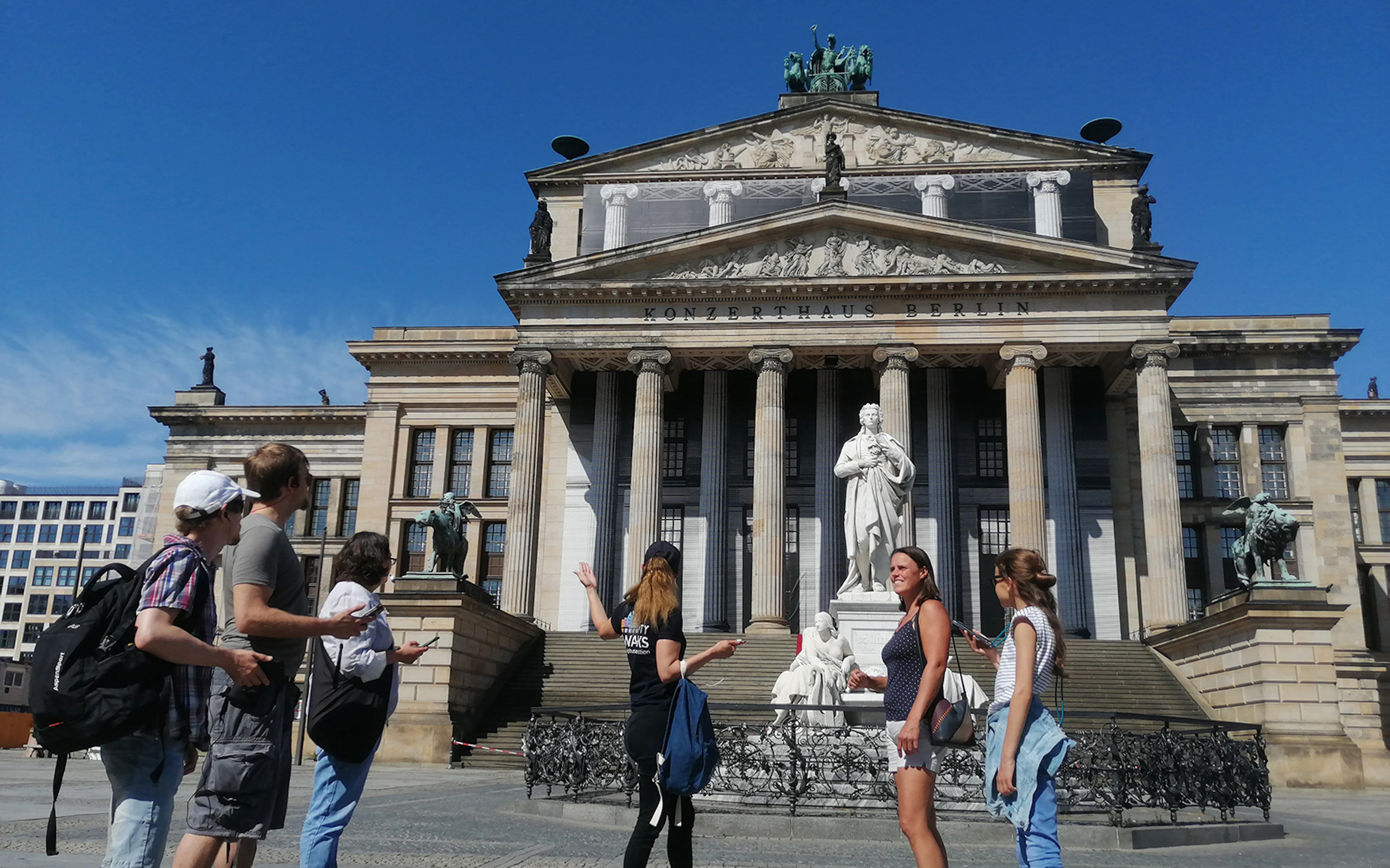
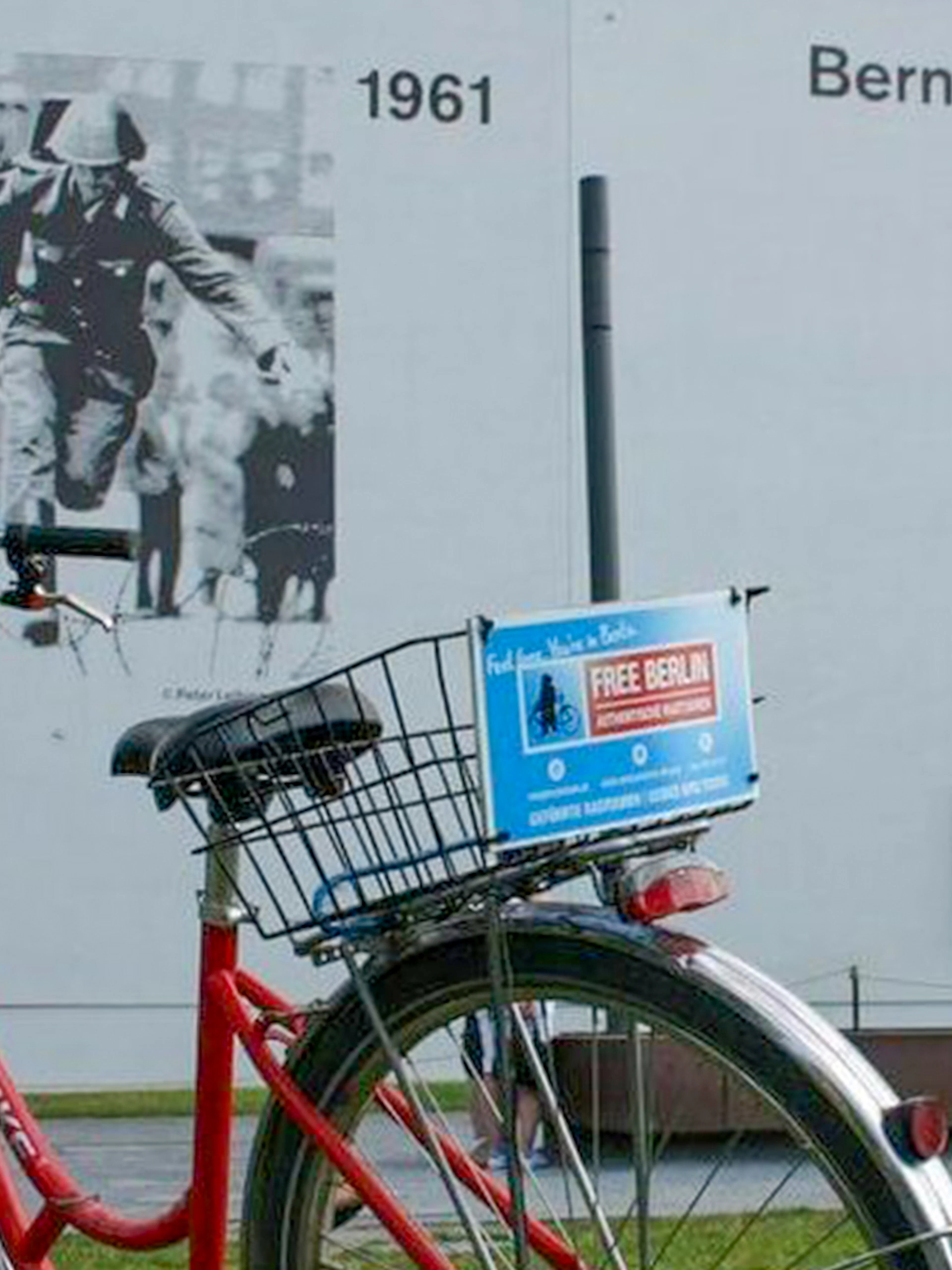
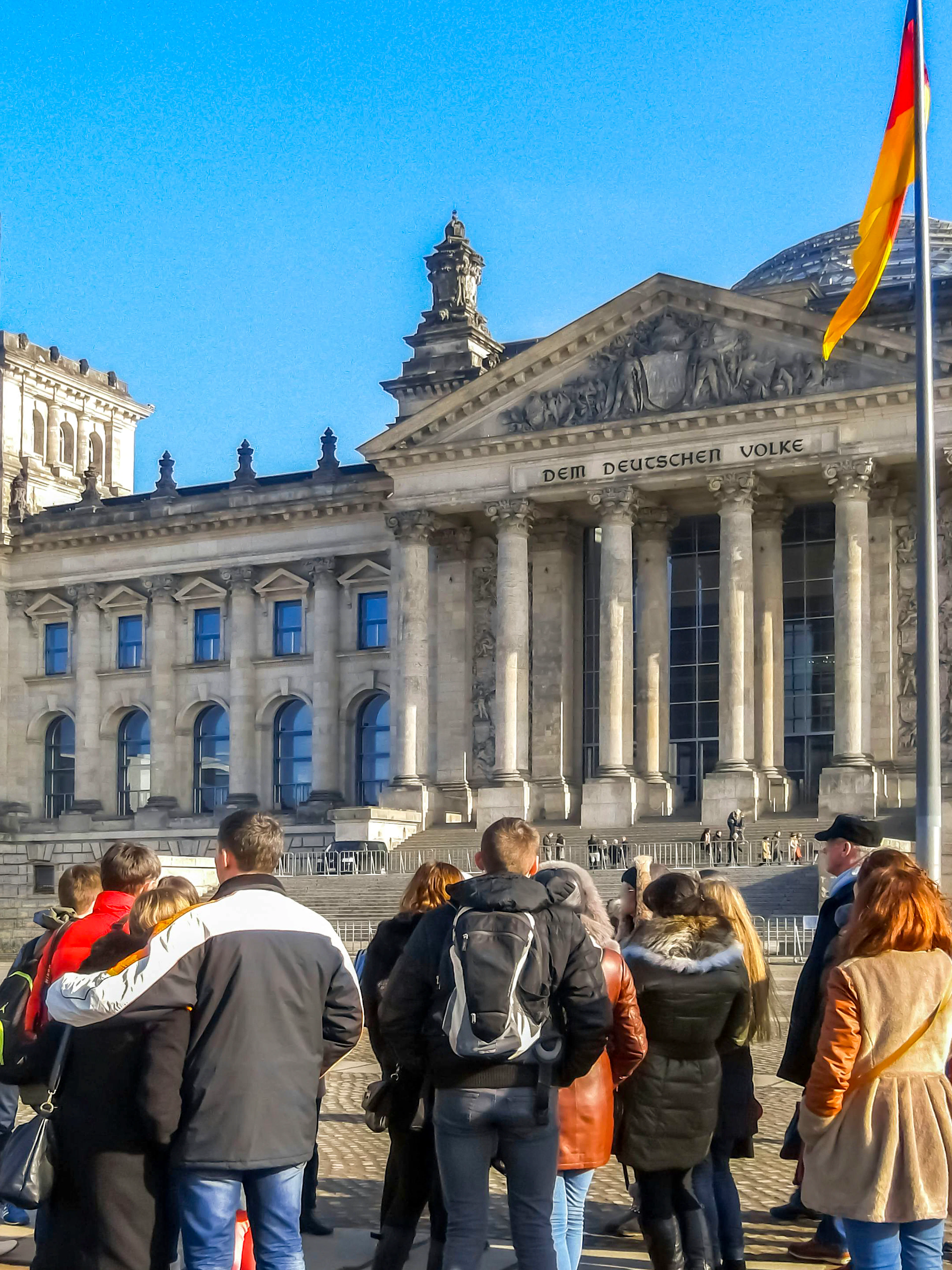
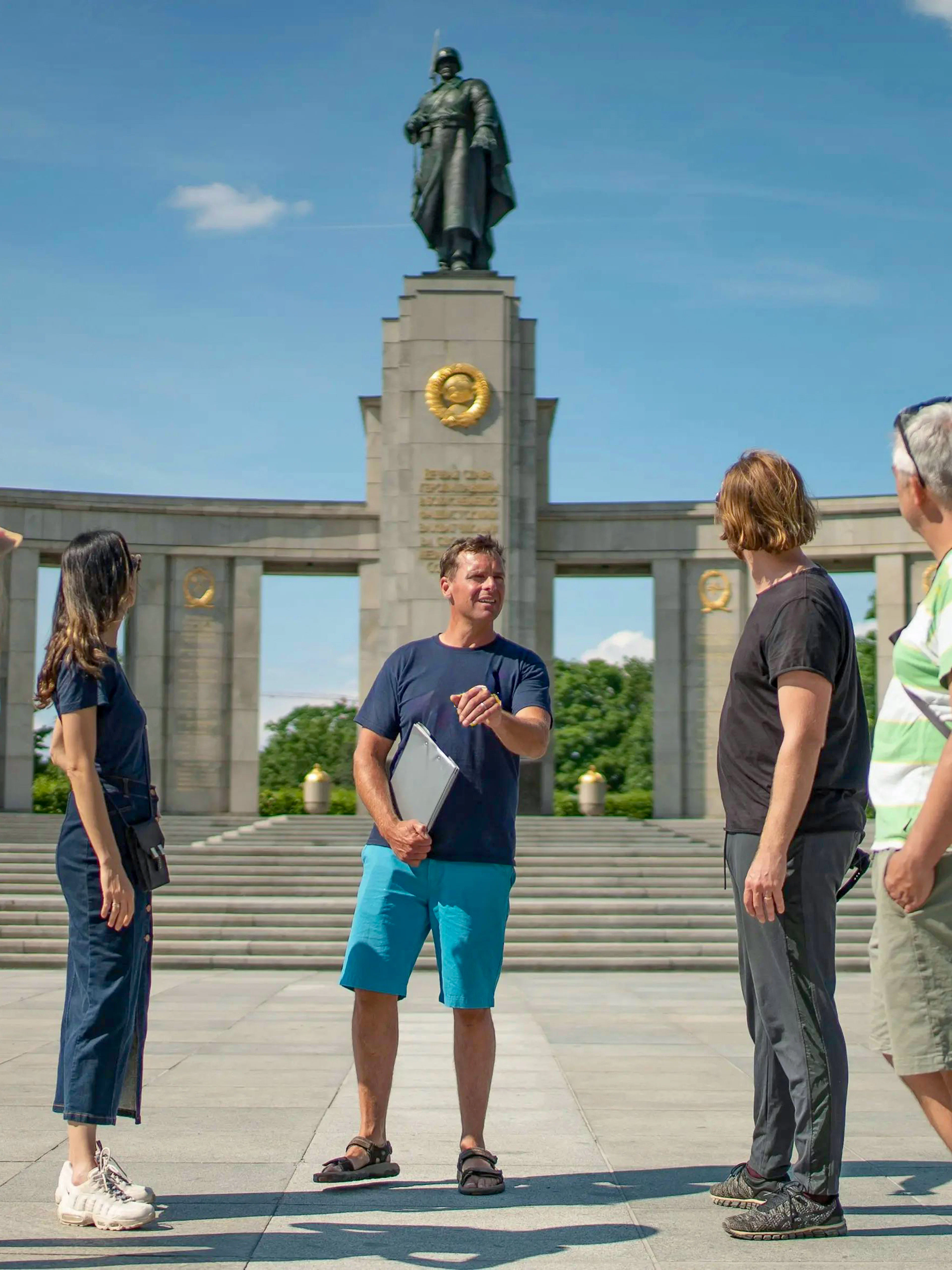
Connect Berlin’s landmarks to the events that shaped the city. Guides bring context to the Reichstag, Wall, memorials and historic sites.
How Headout makes choosing experiences effortless
Slide 1 of 4


Why explore Berlin on foot?
What to expect on a walking tour in Berlin

1/6
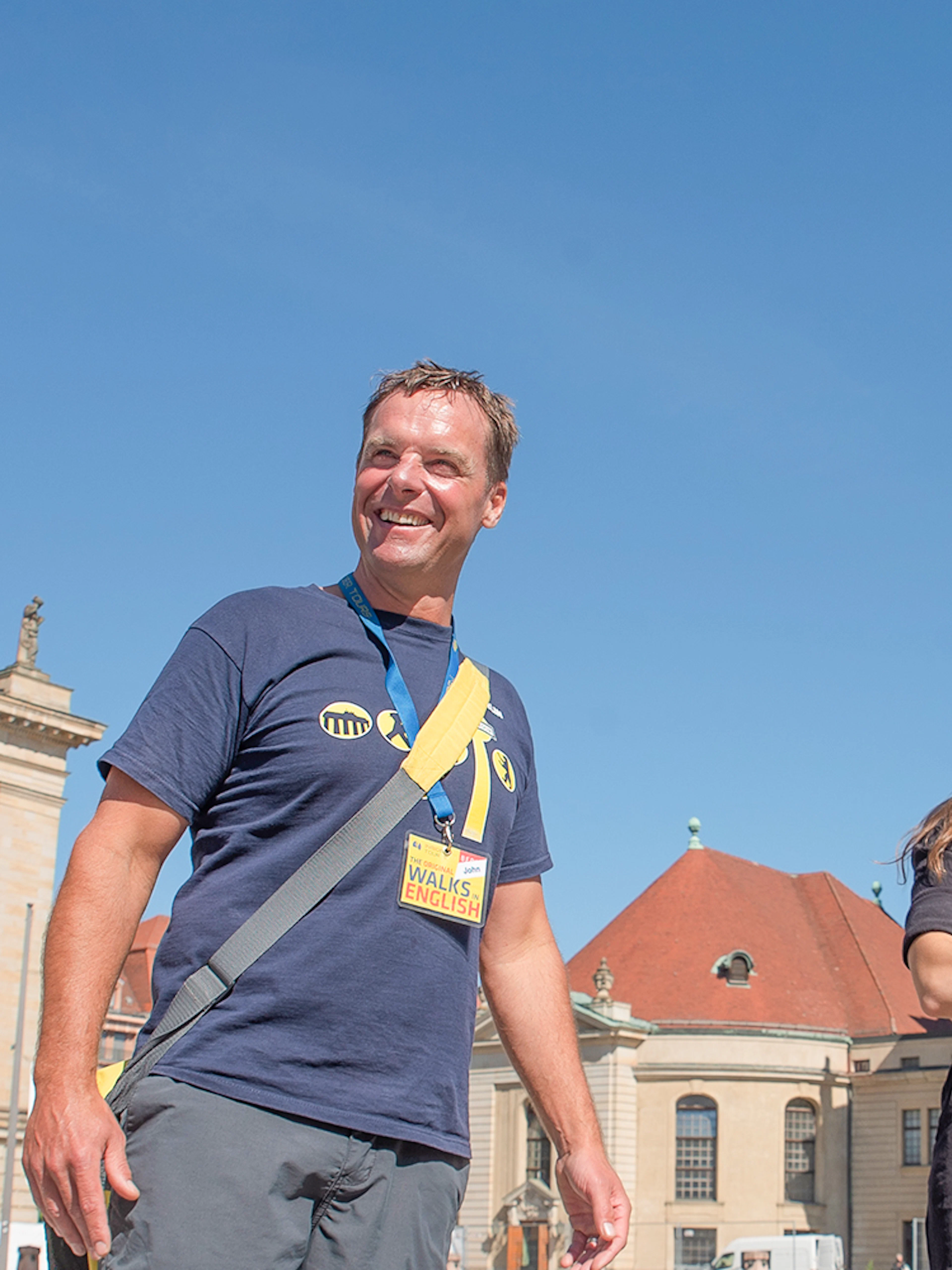
Meet your guide and start exploring
Walk through Berlin's historic centre
Follow stories from Berlin's divided past
Explore WWII and Third Reich history
Discover a more personal side of Berlin
Wrap up with more ways to explore
Types of walking tours available in Berlin
Popular areas for walking tours in Berlin
Top attractions to see on foot in Berlin
| Attraction | Why it’s great on foot | With a guide (what you gain) | Without a guide (how to do it well) | Pro tip |
|---|---|---|---|---|
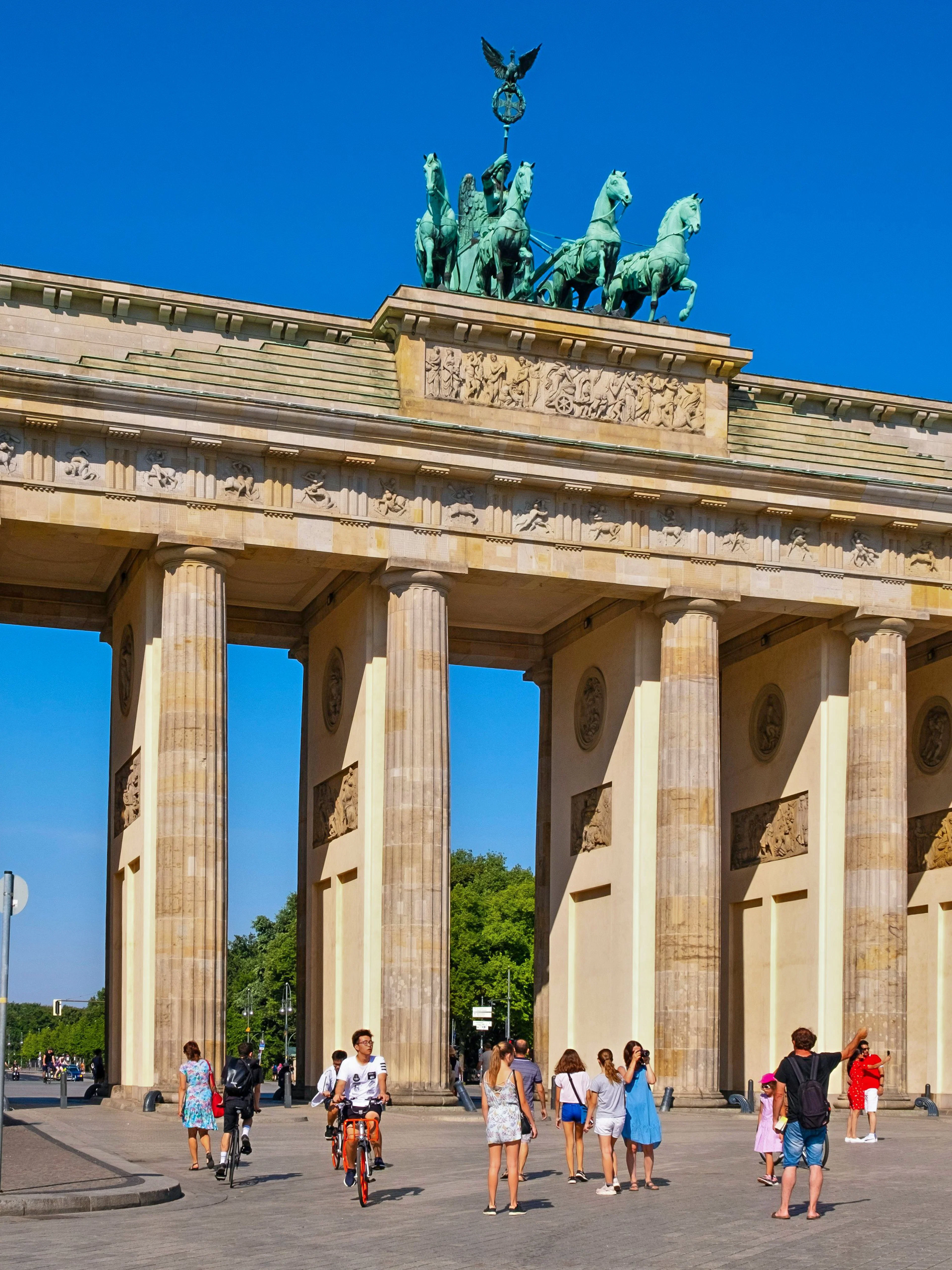
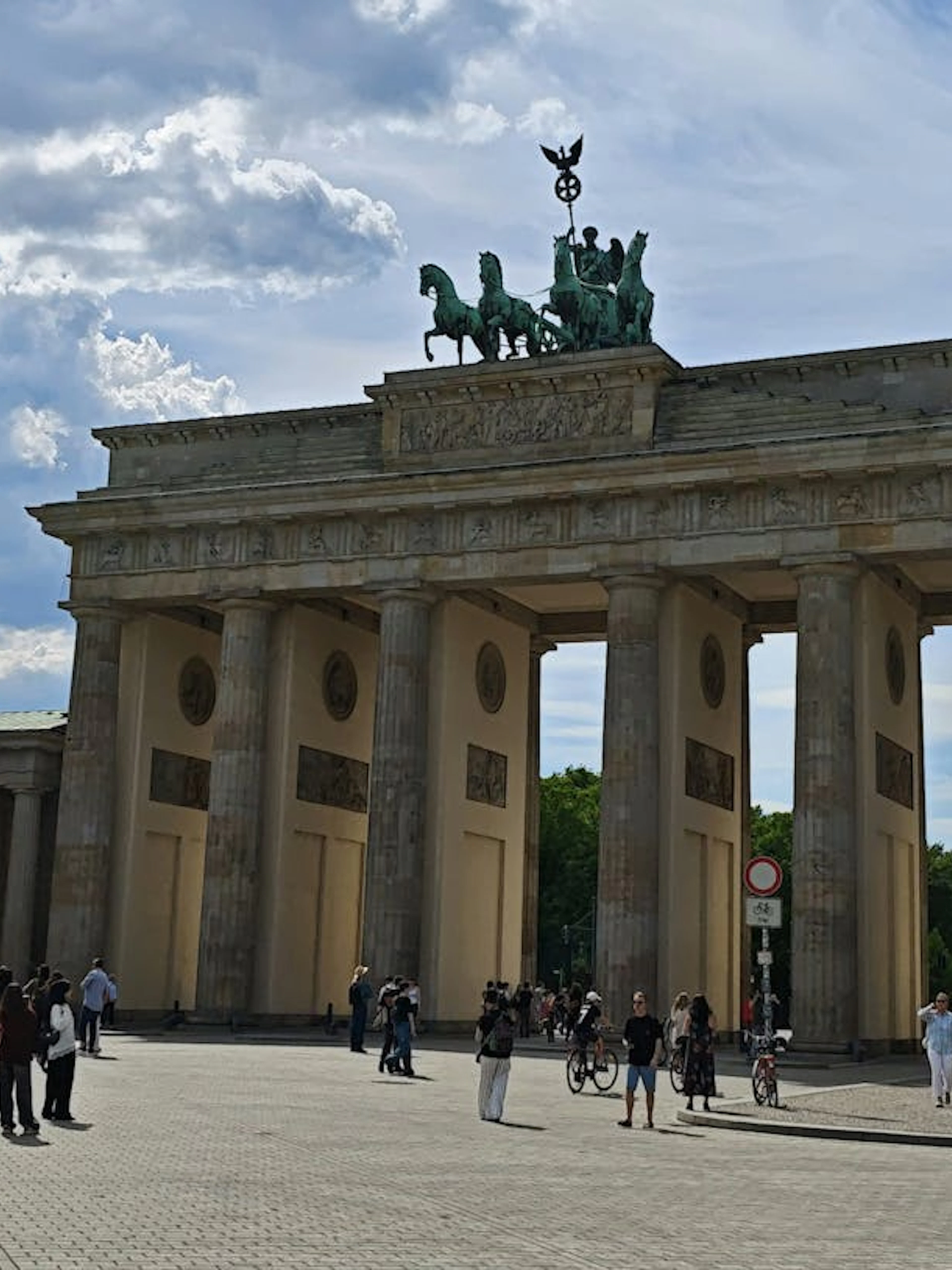
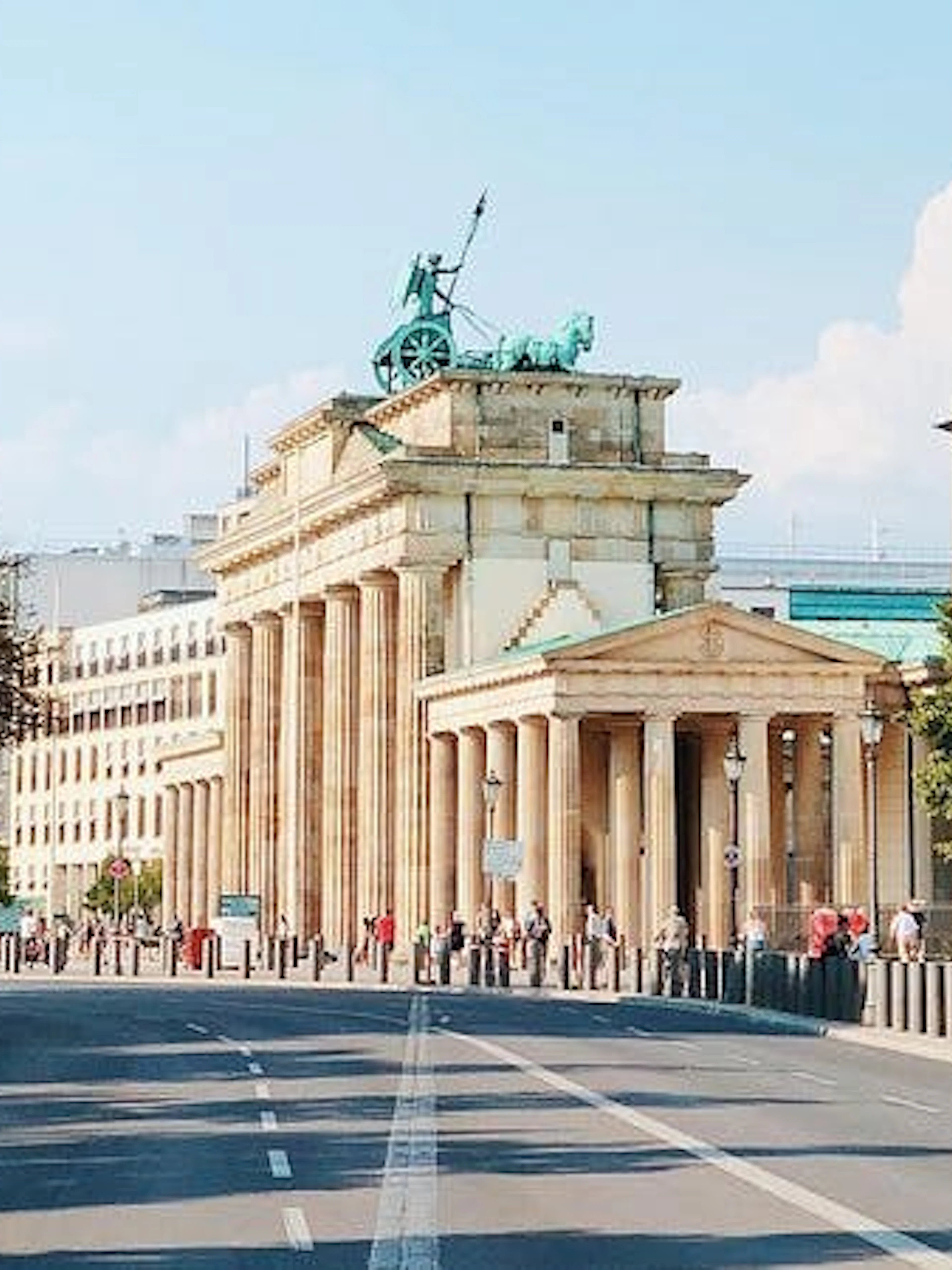
Brandenburg Gate | See one of Berlin’s major landmarks as part of a wider historic route. | Hear how the landmark fits into Berlin’s broader history. | Combine it with nearby central sights independently. | Pair it with the Reichstag and Holocaust Memorial for a fuller central Berlin walk. |
Reichstag | Walk around Germany’s parliament and connect it with nearby historic sites. | Learn about its role in Berlin’s history; selected tours include interior and dome access. | Check access requirements separately if visiting independently. | Combine your visit with nearby government landmarks to put Berlin’s political history into context. |
Museum Island | Explore a UNESCO World Heritage-listed area as part of a central walking route. | Get historical context while connecting Museum Island with other landmarks. | Allow time to explore the museums separately if desired. | Allow extra time if you want to explore the museums beyond the walking tour. |
Holocaust Memorial | Experience the memorial within a walking route focused on Berlin’s 20th-century history. | Gain context from an expert guide and, on one tour, enter the memorial. | Visit independently while allowing time for reflection. | Take time to walk through the field of stelae rather than viewing it only from the edge. |
Berlin Wall | See surviving Wall-related sites while walking through the areas shaped by division. | Understand the Wall through its historical and human stories. | Combine Wall sites with nearby Cold War landmarks. | Look beyond the remaining sections to understand how the Wall divided the city and shaped daily life. |
Checkpoint Charlie | Visit a major former East-West border crossing on a central walking route. | Understand its place in Berlin’s Cold War story. | Pair it with nearby historical sights. | Combine it with nearby Cold War sites for a broader picture of divided Berlin. |
East Side Gallery | Walk alongside a surviving section of the Berlin Wall covered with murals. | Learn about the Wall and its fall as part of a wider Cold War narrative. | Explore the gallery independently and allow time to view the artworks. | Walk along more of the gallery to see the range of murals and artworks on the Wall. |
Alexanderplatz | Experience a major East Berlin location within a route through the city's divided past. | Learn about its role in East German history and the 1989 protests. | Combine it with other East Berlin sights. | Combine the square with nearby East Berlin landmarks for a deeper look at the former GDR. |
Tränenpalast | Step into a former border-crossing site while exploring Berlin’s Cold War history. | Get guided context on its significance during the division of Berlin. | Check individual entry arrangements before visiting independently. | Allow time to take in the site's stories and exhibits about Berlin's divided past. |
Topography of Terror | Visit an important WWII-era site as part of a broader historical walking route. | Connect the site with other locations linked to Nazi-era Berlin. | Combine it with nearby historical sites and memorials. | Pair it with nearby Third Reich sites to better understand the historical context of the area. |
Berlin’s iconic landmarks & historic sites

Brandenburg Gate

Weather & seasonality guide for Berlin walking tours
| Season (months) | Morning (06:30am to 10am) | Midday (10am to 03:30pm) | Evening (4:30pm to 7:30pm) | What to carry |
|---|---|---|---|---|
Spring (Mar–May) | Cool to mild; mornings can still feel chilly, especially in March and April. | Pleasant for longer walks; May is warmer and more comfortable outdoors. | Longer daylight makes evening sightseeing easier as spring progresses. | Light layers, comfortable shoes, compact rain jacket |
Summer (Jun–Aug) | Comfortable for getting an early start before the warmest part of the day. | Warmest part of the day; June averages above 21°C, so plan hydration for longer walks. | Long daylight and warm evenings make extended sightseeing more comfortable. | Water, sunscreen, sunglasses, light clothing |
Autumn (Sep–Nov) | September can still be pleasant; mornings become cooler through October and November. | October averages around 9–15°C; conditions become progressively cooler. | Cooler evenings; check the forecast before longer outdoor routes. | Layers, light rain protection, comfortable shoes |
Winter (Dec–Feb) | Cold, with limited daylight; January averages around 1°C. | Chilly conditions can make long outdoor walks less comfortable. | Early sunset means less daylight for sightseeing; plan accordingly. | Warm layers, hat, scarf, sturdy walking shoes |